Dry-Aged Beef: Why It’s the Gold Standard for Steak Lovers
For those who appreciate a truly exceptional steak, dry-aged beef is considered the pinnacle of flavor and tenderness. Unlike conventional fresh beef, dry-aged beef undergoes a meticulous aging process that enhances its taste and texture, creating a dining experience unlike any other. This method has been used by butchers and high-end steakhouses for centuries, and for good reason.
The Science Behind Dry-Aging
Dry-aging is a controlled process in which beef is stored in a temperature- and humidity-regulated environment for several weeks, sometimes even months. During this time, two key transformations take place:
- Moisture Reduction – The beef loses water content, which concentrates the natural flavors. This intensifies the umami taste, giving dry-aged steaks their signature depth.
- Enzyme Activity – Natural enzymes within the meat break down muscle fibers, making the steak significantly more tender. This is why dry-aged beef has a texture that feels almost buttery when sliced.
How Long Should Beef Be Aged?
The length of time beef is aged plays a major role in its final flavor profile.
- 21-30 Days – The most common aging period. The beef develops deeper, richer flavors while remaining familiar to those who enjoy traditional steaks.
- 45-60 Days – A more pronounced beefiness emerges, often accompanied by subtle nutty and almost cheese-like notes. This level of aging is preferred by those who enjoy more complex flavors.
- 90+ Days – The steak takes on bold, funky flavors that may not appeal to every palate. The texture becomes incredibly tender, and the intensity of the taste is something that serious steak connoisseurs seek out.
How Dry-Aged Beef Compares to Fresh Beef
The biggest misconception about dry-aged beef is that it is just an “older” version of fresh beef. In reality, the aging process transforms it into something entirely different. While fresh beef is juicy and tender when cooked properly, dry-aged beef delivers a more concentrated, robust flavor with a distinct umami quality. It also has a firmer texture due to the moisture loss, which allows for a superior sear when cooked at high temperatures.
Cooking Dry-Aged Beef the Right Way
Because of its concentrated flavor and reduced moisture content, dry-aged beef should be cooked with care. Here are some key tips:
- Minimal Seasoning – Since the flavor is already intense, all you need is high-quality salt and freshly ground black pepper.
- High-Temperature Searing – Dry-aged steaks benefit from a hot pan or grill to develop a perfect crust quickly.
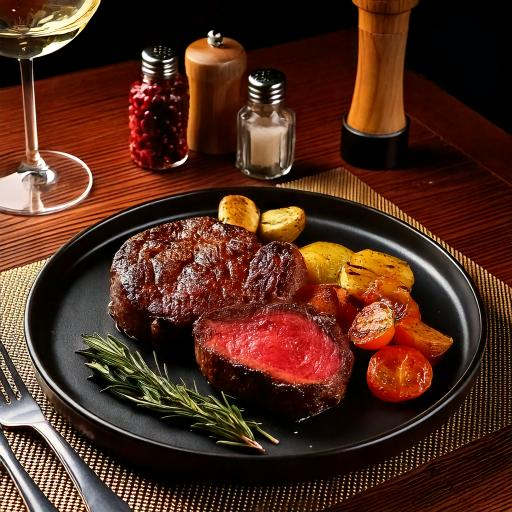
- Resting is Essential – The already tender structure of dry-aged beef means resting it for 5-10 minutes after cooking helps retain its juiciness.
- Skip the Marinades – Marinades mask the unique flavors of dry-aged meat and interfere with the dry outer layer that contributes to the rich taste.
Where to Find High-Quality Dry-Aged Beef
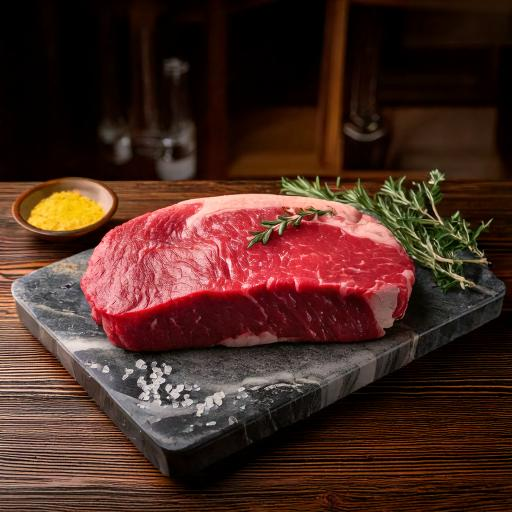
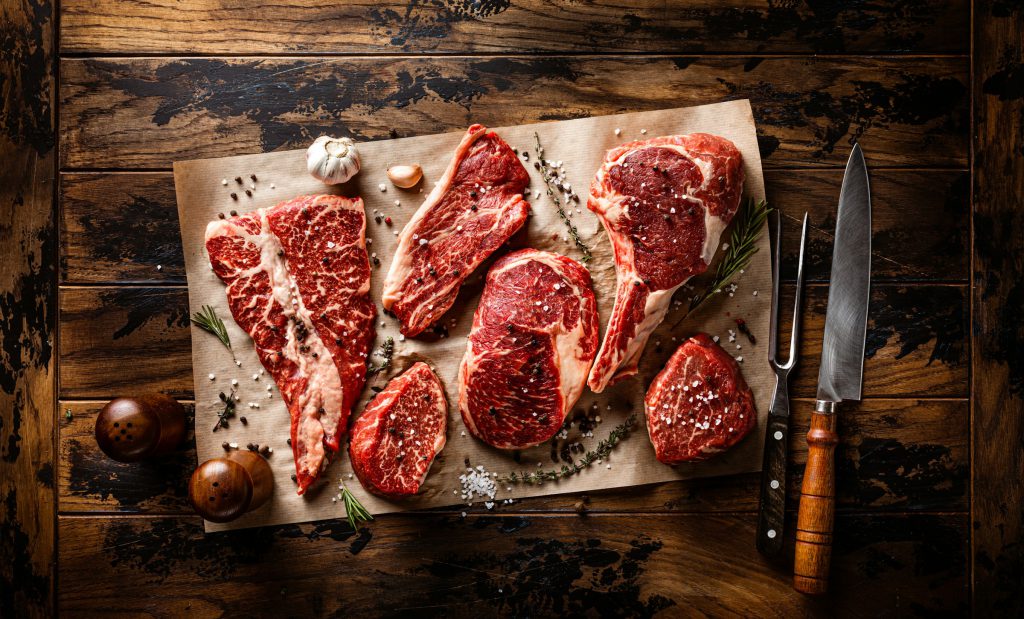
Not all butchers or steakhouses carry dry-aged beef, as the process requires precise conditions and time. Those that do offer it usually have a dedicated aging room with controlled temperature, humidity, and air circulation. When selecting dry-aged steaks, look for well-marbled cuts with a rich, deep red color. The outer crust, which is trimmed before cooking, should be dark but not overly dried out.
For anyone who hasn’t experienced the depth of flavor that dry-aged beef provides, it is well worth trying. Whether cooked at home or enjoyed in a restaurant that specializes in high-quality steaks, dry-aged beef offers an unmatched richness that elevates it far beyond a typical steak.